

Home run for rare trout returning to native river
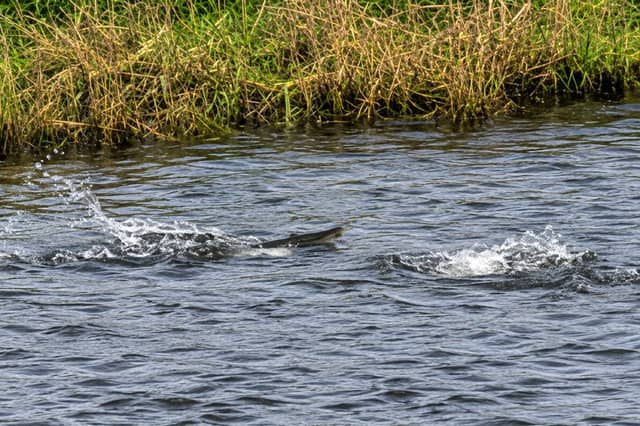

Dollaghans seen spawning at Glenwherry riverbed
A CONSERVATION effort by local volunteers has yielded encouraging results after native Dollaghan trout were filmed spawning on a restored stretch of the Glenwherry River.
The footage shows the migratory Lough Neagh trout utilising spawning gravel put in place by Kells, Connor and Glenwherry Angling Club, with support from the Department of Agriculture, Environment and Rural Affairs in 2025.
Around 80 tonnes of gravel were laid along a section of the waterway previously considered unsuitable for breeding.
Club River Enhancement Officer Gareth Cooper welcomed the development.
"It's fantastic to see Dollaghan using the spawning gravel we introduced during our 2025 habitat restoration works. This is exactly what we hoped to achieve when undertaking these improvements,” he said.
The video clip captured female trout using their tails to create shallow depressions. These small trenches- called spawning redds- are where eggs are deposited, fertilised and then covered with protective gravel.
Taking their name from the Irish Gaelic word ‘dulach’ (meaning ‘run of fish’ or ‘running fish’), Dollaghan are a unique, migratory brown trout capable of achieving growth rates akin to Atlantic salmon.
As local angling guide Stevie Munn notes, these ‘heavyweight trophy trout’ that regularly reach six pounds and often live well into their teenage years.
They are the rarest species of trout native to the U.K.
"There are scarcely any places in the world where you will regularly catch wild brown trout over six pounds every year," Stevie said.
He also emphasised the threats to such habitats as a consequence of pollution, housing developments and unregulated netting.
"We need to start treasuring these wonderful fish, their rivers and their unique home, the Lough," he said.
With the fishing season drawing to a close, the public are being asked to steer clear of riverbeds, warning that walking through gravel can destroy redds and wipe out developing eggs. Special permission is required to enter their habitats.
For the volunteers who installed the gravel, seeing tangible evidence that Dollaghan have returned to use the restored riverbed represents an important early indicator to the impact of their initiative.
The next measure of success will lie in longevity, with hopes that their efforts will see future generations of the rare trout thrive and prosper in the river.